
Heavy equipment, foundation engineering and electric machinery — one infrastructure partner, pan-India, since 1961.
Contact
The fleet behind your next project.
Heavy equipment, foundation engineering and electric machinery — one infrastructure partner, pan-India, since 1961.
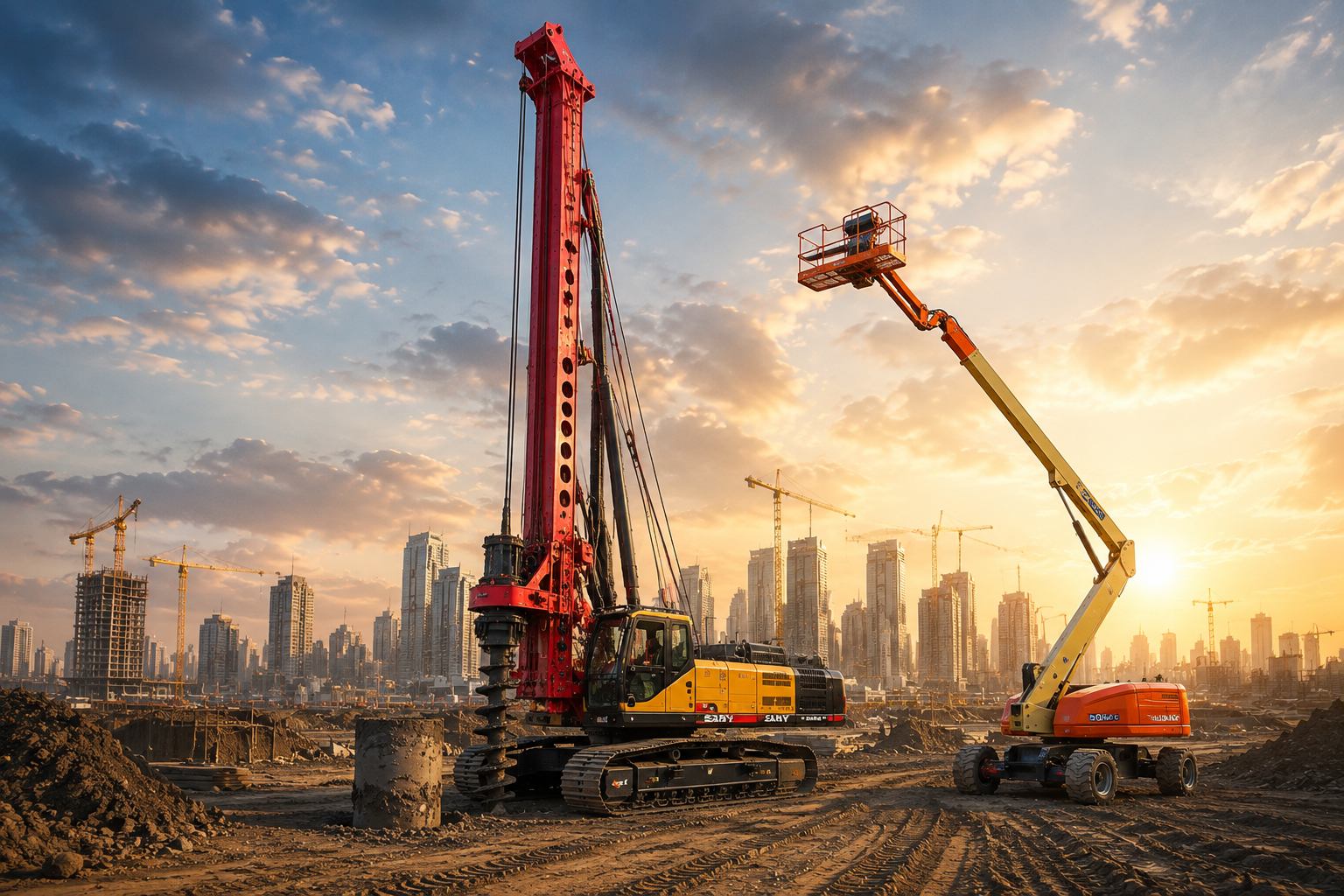
A mega-bridge rising above a flowing river, the first metro tunnel drilling beneath a city’s arteries, or a wind-farm’s tall towers erected on remote terrain. What do all these projects have in common? Before any steel beams soar or turbine blades spin, an army of machines punches into the earth. These aren’t the flashy cranes—these are piling rigs, the silent titans laying the foundation of India’s infrastructure surge.
In an era where India is marching toward a ₹5 trillion infrastructure economy, the pace, scale, and complexity of mega-projects have never been greater. According to Equipment India, the foundation-equipment sector in India was valued at approximately ~₹150–170 crore and is set to grow rapidly with ports, metros, and expressway projects.
Globally, the piling-machine market was valued at ~USD 5.44 billion in 2024 and forecast to reach ~USD 7.75 billion by 2034 — about a 3.6% CAGR.
These numbers tell us: every major build must reach down before it can reach up—and that’s where piling rigs take centre stage.
Globally, the piling-machine market was valued at ~USD 5.44 billion in 2024 and forecast to reach ~USD 7.75 billion by 2034 — about a 3.6% CAGR.
While cranes and excavators capture headlines, piling rigs quietly achieve the heavy lifting of ground engineering. For example, sources report that over 80% of foundation work in India is now handled via modern hydraulic rotary piling rigs, replacing older impact methods.
For projects like expressways, metros, sea-bridges or industrial plants, speed of piling sets the pace for the rest of construction. One prime example: the Mumbai–Ahmedabad High-Speed Rail Corridor shows piling progress moving from 2.5% to nearly 74% within a few years.
Top Tier Models Deliver:
● High torque & deep reach (many 500-1500 mm dia, >50-80 m depth rigs are now common)
● Versatile deployment across soil & rock (especially in India’s varied terrain)
● Rapid rig-up and mobility to meet urban, remote, or congested sites
● Data & telematics integration to monitor penetration rates, machine health and turnaround times
Manufacturers like SANY, ACE and Soilmec are offering rigs tailored for India’s fast-transforming infrastructure landscape.
For our team at Jindal Infrastructures, this means investing not only in robust rigs, but in operator excellence, spare-parts readiness and ultra-responsive service.
Consider the following:
● Mega-Expressways & Elevated Corridors require thousands of piles, each needing precision and speed to hit ambitious deadlines.
● Metro tunnels & high-rise urban development demand rigs that operate in tight footprints, adjacent to live utilities and high-traffic zones—a weakness here creates massive ripple effects (delays, penalties, rework).
● Renewable energy projects (wind farms) often sit in remote locations where mobilization logistics matter. A rig’s ability to reach, set up fast and drive piles reliably becomes a strategic advantage.
The lesson: choosing the right rig is not just about ‘machinery’—it’s about project velocity and risk mitigation.
For heavy equipment providers like us at Jindal, offering a piling rig isn’t simply a rental—it’s entering the project’s critical path.
That brings responsibilities:
● Pre-qualification studies (soil, rig capabilities)
● Mobilization readiness (transporter, setup time, regulatory clearances)
● Maintenance & spare-parts pool to keep uptime high
● Skilled operator + rigging crew as part of the package
These elements build trust and transform “supplier” into partner—and in infrastructure, partners win the long game.
Some of the common hurdles:
● Access constraints: Narrow urban sites may preclude large rigs—custom lightweight or modular rigs may be needed. (Example: Mumbai CSMT revamp hitting piling delays due to site access issues)
● Variability in soil conditions: Indian sub-continent projects span soft alluvial plains to rocky high-altitude terrains—selecting the right rig spec is crucial.
● Scheduling risk: Piling often lies on the critical path—slip here jeopardizes everything above. Fast mobilization, clear logistic planning and contingency units matter.
What to watch for:
● Increase in hybrid/electric rigs to meet sustainability goals.
● Better digital telematics enabling real-time rig performance, predictive maintenance and better ROI.
● Modular rigs that adapt between piling types (bored, driven, CFA) offering flexibility for multi-project fleets.
With India’s infrastructure wave showing no signs of slowing, the specs and service around piling rigs will continue to sharpen.
In the heart of India’s infrastructure boom lies the boring machine—the piling rig. It may not grab headlines like turbine blades spinning or metro cars zooming—but without it, nothing stands tall.
At Jindal Infrastructures, we believe that deep foundations deserve deep expertise. That’s why we pair high-performance rigs with proactive service, digital monitoring and project-first readiness. Because when your partner moves as deep as your piles, you gain confidence from the ground up.
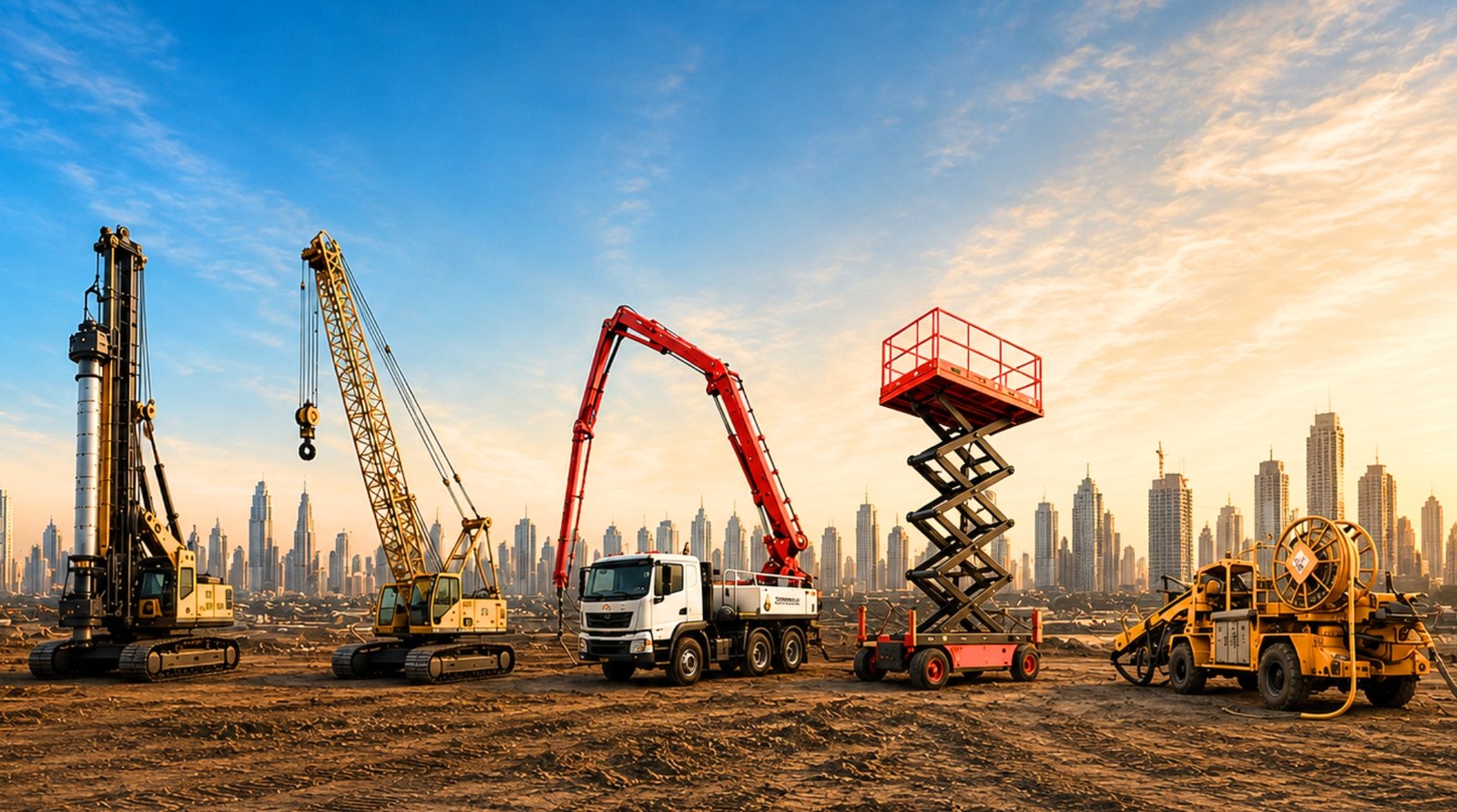
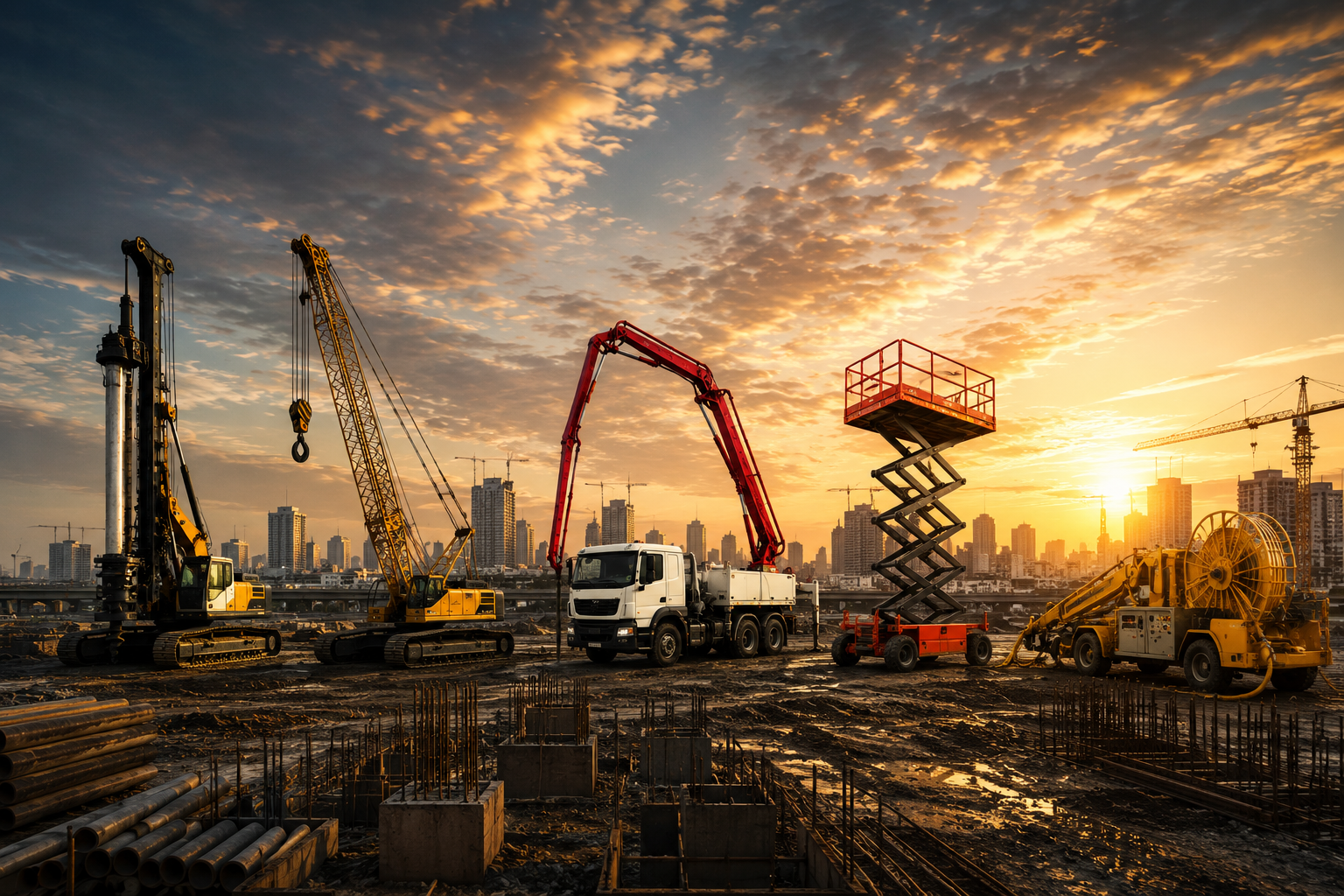
From heavy lifting and foundations to concrete, access and specialised applications, our equipment supports some of the most demanding requirements across the construction and infrastructure sector.

Download our detailed fleet brochure to explore equipment, capacities and applications.